
Table of Contents
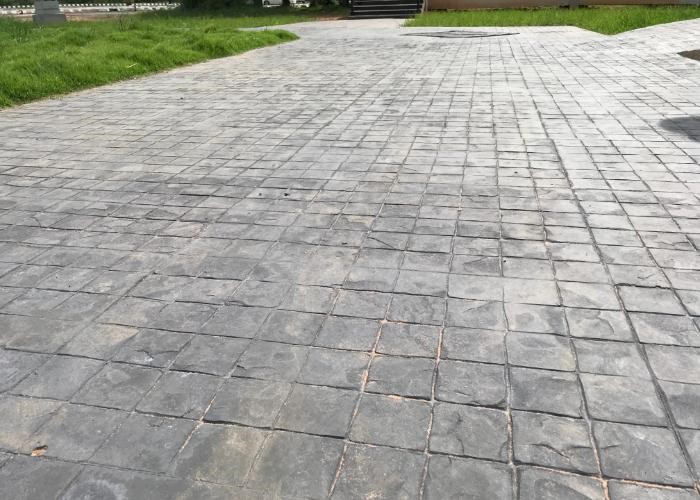
A stamped concrete driveway is an excellent investment for any property. Stamped and stained concrete offers the look of high-end flagstone, brick, or pavers, but without the same steep price tag!
However, some homeowners might wonder about the durability of a stamped and stained concrete driveway. After all, you don’t want to keep scheduling repairs or see that beautiful stain marred and chipped before too long. With this in mind, note some vital information about stamped concrete in general, so you can make the best choice for your property. For more resources about stamped concrete driveways, visit our website at batonrougestampedconcrete.com.
How Long Will Stamped Concrete Last?
First note that a stamped concrete driveway is still concrete, which means it’s tough and durable and meant to withstand vehicle traffic. Second, consider that any concrete installation will still need some maintenance over the years. However, a high-quality concrete installation, with proper care, should last some 25 years.
Note, too, that contractors typically add a sealer over stamped and stained concrete. This sealer protects its color and texture as well as the material itself. Keeping concrete clean and free of corrosive chemicals, and reapplying this sealer as needed, helps extend the lifespan of poured concrete.
Is Stamped Concrete Hard to Maintain?
Stamped concrete driveways are typically no more difficult to maintain than standard concrete, patio pavers, brick, flagstone, and other such materials. However, it’s vital that property owners use gentle cleansers and a soft wash cleaning rather than high-pressure washing on their concrete. Corrosive detergents also risk damaging paint, stain, and even the texture of stamped concrete.
Additionally, property owners should maintain stamped concrete as they would standard concrete. For example, it’s vital you patch cracks right away! Those cracks let in moisture which weakens the concrete. They also allow for weed growth through the material, which can also lead to more cracks.
Concrete also needs clean and clear expansion joints. These trenches allow the material to expand as it absorbs water, without pressing against itself. Without clean expansion joints, concrete might expand and then crack unnecessarily.
Does Stamped Concrete Crack Easily?
One common misconception about stamped concrete is that the stamping goes all the way through the material. This is simply not true; mold only forms a pattern or texture along the upper surface of the material. In turn, there is little risk of water seeping into concrete sections or weeds growing through them.
Also, note that the stamping and staining process doesn’t weaken concrete in any way. The stains or colors used are not corrosive or acidic and don’t eat through the concrete surface. Staining concrete is no more damaging than painting a wall!
With this in mind, homeowners should remember that any concrete installation should be thick enough to support everyday traffic. If you own a heavy truck or SUV, and especially if you have a motorhome or other oversized vehicle, invest in high-quality concrete and a thick installation. Your concrete installer can ensure your driveway meets those requirements and stays strong over the years.
What Are the Advantages of Stamped Concrete Driveway?
Stamped concrete offers a few advantages over bare concrete, asphalt, pavers, and other such materials. One is that you can enjoy the look of high-end stone, brick, pavers, and other materials without the same price tag. Additionally, staining allows you more control over the finished color. In turn, your property’s exterior looks coordinated and cohesive when you choose stamped concrete!
Also, stamped and stained concrete might hide imperfections, oil stains, and other blemishes more easily than bare concrete. Stamped patterns can also offer more traction than flat concrete, reducing the risk of skidding during winter months or a rainy season.
Lastly, note how easy it is to pour concrete into various shapes including curves. If you’ve always dreamed of a curved driveway or need to work it around a tree or other obstacle, poured and stamped concrete is the best choice!
What Are the Disadvantages of Stamped Concrete?
One disadvantage of stamped and stained concrete is that it does need some “TLC.” For instance, you should avoid corrosive cleansers, as said. Additionally, property owners should never scrub that concrete or use stiff brooms to clean it.
Also, it’s vital that you keep stamped and stained concrete clean, to avoid damaging the stain color. Use a bagged lawnmower or hose off the driveway right after mowing the lawn, to rinse away grass clippings and lawn care chemicals. Stamped and stained concrete also needs consistent sealing and professional washing, to keep it in good condition.
Lastly, property owners might need to stock up on tinted patching compounds for concrete. Using a standard gray patching material on stained concrete will make those cracks and repairs stand out! This might add a small amount of expense and hassle to having stamped concrete on your property.
What Is Better, Stamped Concrete or Pavers?
There is no “better” material for your property, as both stamped concrete and pavers offer advantages and disadvantages. Reviewing a few of those here can help you decide between these two options. Note, too, that a landscaper, concrete company, or other pros can also offer some added tips to consider.
- A concrete installer can typically stain or tint concrete of any color, allowing you to match it more readily to your home’s exterior, a pool deck, or other feature. Patio paver colors are usually more limited, so you might struggle to find an option that coordinates with other exterior features along your property.
- Poured concrete is typically more durable than pavers, especially under the weight of heavy vehicles.
- Solid concrete often resists weeds growing through the material than pavers.
- A broken or cracked paver is often easier to replace than chipped or severely damaged concrete.
Homeowners should also remember that investing in a stamped concrete driveway allows you to match that material in other areas around your property! For example, you might opt for the same stamp and stain combination for a patio or pool deck, and for your property’s walkways. You can then enjoy an upscale, coordinated look without having to risk mismatched surface colors and textures.